Ms. Arnwine
  • Home
  • Eclipse
  • Dictionary
  • Classroom Links
    • Physics >
      • Work, Force, Distance
      • Potential/Kinetic Energy
      • Energy Transformation
    • Chemistry >
      • Elements, Compounds, Formulas
      • Physical & Chemical Changes
      • Organic Compounds & Biomolecules
    • Cells >
      • Cell Theory
      • Prokaryote, Eukaryote
      • Cell's Organelles
      • Energy Conversion in Cells
      • Turgor Pressure
    • Animals >
      • Levels of Organiation
      • Body Systems >
        • Muscular System
        • Skeletal System
        • Respiratory System
        • Circulatory System
        • Digestive System
        • Excretory System
        • Nervous System
        • Endocrine System
        • Homeostasis
        • Integumentary System
        • Immune System
        • Reproductive System
        • Lymphatic System
      • Dissection
      • Response to Stimuli
    • Plants >
      • Plants Systems
      • Turgor Pressure
      • Stimuli, Forces, Feedback
    • Identify & Classify Organisms >
      • Kingdoms
      • Dichotomous Keys
    • Heredity and Reproduction >
      • Inherited Traits
      • Asexual Reproduction
      • Sexual Reproduction
    • Natural & Artificial Selection >
      • Variations
      • Natural - Selective - Artificial Breeding
      • Adaptations
    • Flow of Energy >
      • Food Chains and Food Webs
      • Cycling of Matter >
        • Composting Cycle
        • Carbon Cycle
        • Nitrogen Cycle
        • Water Cycle
    • Ecology - Biodiversity >
      • Levels of Organization
      • Biomes
      • Biodiversity
      • Ecological Succession
      • Human Activity
      • Catastrophic Events
    • Ecology - Part 2 >
      • Watershed & Aquifer
      • Porosity, Permeability, Percolation
      • Weathering, Erosion & Deposition >
        • Weathering
        • Erosion & Deposition
      • Texas Ecoregions
      • Satelitte Maps
    • Earth & Space >
      • Characteristics of our Solar System
      • Space Flight
    • Motion (Speed, Velocity, Acceleration)
  • Lab Links
  • Genius Hour
  • Just For Fun
    • Get Creative
    • Balloon Cars
    • Paper Airplane
    • Koko The Talking Gorilla
  • Curriculum
    • 1st Six Weeks
    • 2nd Six Weeks
    • 3rd Six Weeks
    • 4th Six Weeks
    • 5th Six Weeks
    • 6th Six Weeks
  • Q & A
    • Help For Science Topics
    • Classroom/Student Expectations
    • 1:1 iPads
    • This Year
    • Q & A
  • Parents and Students
    • Great Local Places to Visit
    • Fun Shows to Watch
  • What's Up In Science
  • About Your Teachers
    • Mr. Duran
    • Ms. Arnwine
  • Destination Imagination
  • Exploring Science
  • Resources
Picture

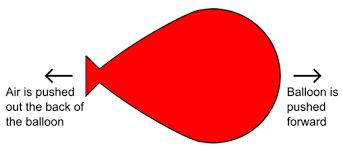
Newton's Third Law Motion

For every action, there is an equal and opposite reaction.

Balloon Car Challenge

Steps to Success

1.  Draw at least three different plans.
2.  Choose the plan that you think will work the best, win the race.
3.  List all supplies you will need to create your vehicle.

Bring your supplies........available supplies (you may obtain one of each).
*  Tape
*  String, yarn
*  Balloons
*  Plastic cups, paper cups 

As needed for your plan (one time supply)
*  Straws 
*  Wood sticks
*  Craft sticks

A limited supply so first to request will obtain the supply, Yes, they will divide equally between class periods.
*  Small water bottles
*  Large water bottles
*  Lids
*  Cardboard


​
Dyson - Challenge

Awards

*  Most creative design
*  Greatest speed
​*  Greatest Distance
Powered by Create your own unique website with customizable templates.
