Immune System
Function: Defends and protects the body from germs and parasites by fighting off sickness and defending against foreign invaders. The immune system guards the body against diseases.
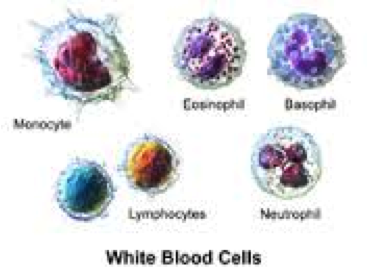
The white blood cells (leukocytes) attack foreign particles and diseased cells. They remove poison, waste and damaged cells from the body.
Major Cells
White Blood Cells - travel through the circulatory system and fight off invaders like bacterias and viruses.
Major molecule
Antibodies - a blood protein. Antibodies combine chemically with substances that the body recognizes as alien, such as bacteria, viruses, and foreign substances in the blood. Get rid of invaders. Sometime the doctor may give you antibiotics if your body isn't producing enough of its own antibodies to fight off infection.
Major Organs
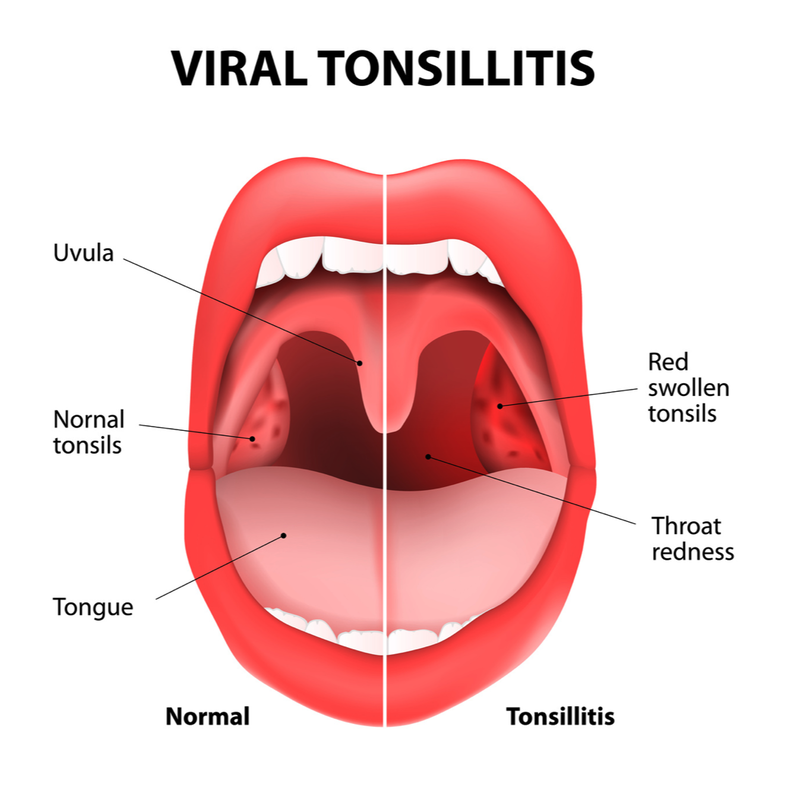
Tonsils: Located in your throat. They catch ingested or inhaled foreign pathogens (invaders)
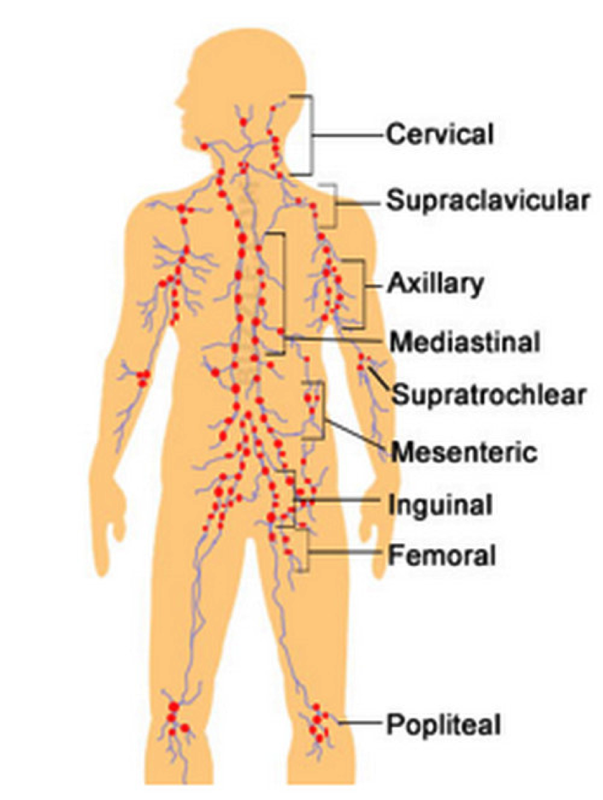
Lymph Nodes: Small, ball-shaped organs that are throughout your entire body. They trap and filter foreign particles (invaders). If they are swollen it is a sign of infection.
Spleen - Filters blood and fights infection.
Works with the circulatory system to fight infection.
The white blood cells (leukocytes) attack foreign particles and diseased cells. They remove poison, waste and damaged cells from the body.
Major Cells
White Blood Cells - travel through the circulatory system and fight off invaders like bacterias and viruses.
Major molecule
Antibodies - a blood protein. Antibodies combine chemically with substances that the body recognizes as alien, such as bacteria, viruses, and foreign substances in the blood. Get rid of invaders. Sometime the doctor may give you antibiotics if your body isn't producing enough of its own antibodies to fight off infection.
Major Organs
Tonsils: Located in your throat. They catch ingested or inhaled foreign pathogens (invaders)
Lymph Nodes: Small, ball-shaped organs that are throughout your entire body. They trap and filter foreign particles (invaders). If they are swollen it is a sign of infection.
Spleen - Filters blood and fights infection.
Works with the circulatory system to fight infection.
|
|
|
|
|
|
